%

BTC

ETH

//
Award Icon

Agriculture is entering a new era

Proof is becoming a requirement, not a preference

Voluntary reporting is giving way to enforceable standards, while buyers, institutions, and supply chain actors increasingly require traceable, defensible evidence. Whether for market access, financing, underwriting risk, or real-world asset (RWA) structures, the common requirement across regulation, global trade, and capital pathways is proof that holds up.
Why now?

Enforcement is moving toward national-scale execution, and expectations are rising even beyond any single regulation. Shared infrastructure makes it possible to generate evidence once and reuse it responsibly across compliance, reporting, trade, and financing workflows.

The next phase is operational: verification becomes embedded

Agriculture is moving from preparation to execution. As regulatory expectations tighten and buyers demand more defensible evidence, verification is becoming part of day-to-day agricultural operations. The longer-term opportunity is to scale this infrastructure across regions and connect trusted traceability with carbon, finance, and other asset-linked workflows where appropriate.

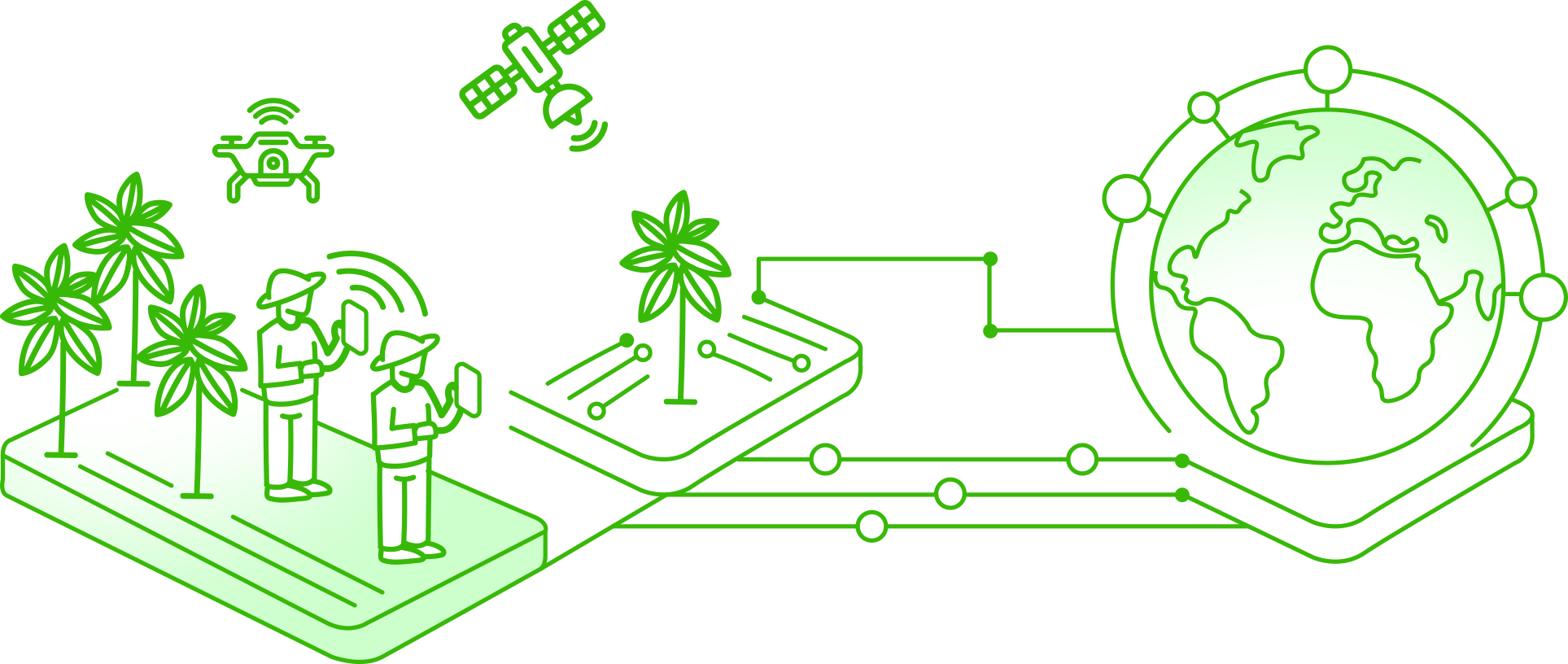
A shared foundation for real-world execution: connecting field reality to verifiable outcomes.

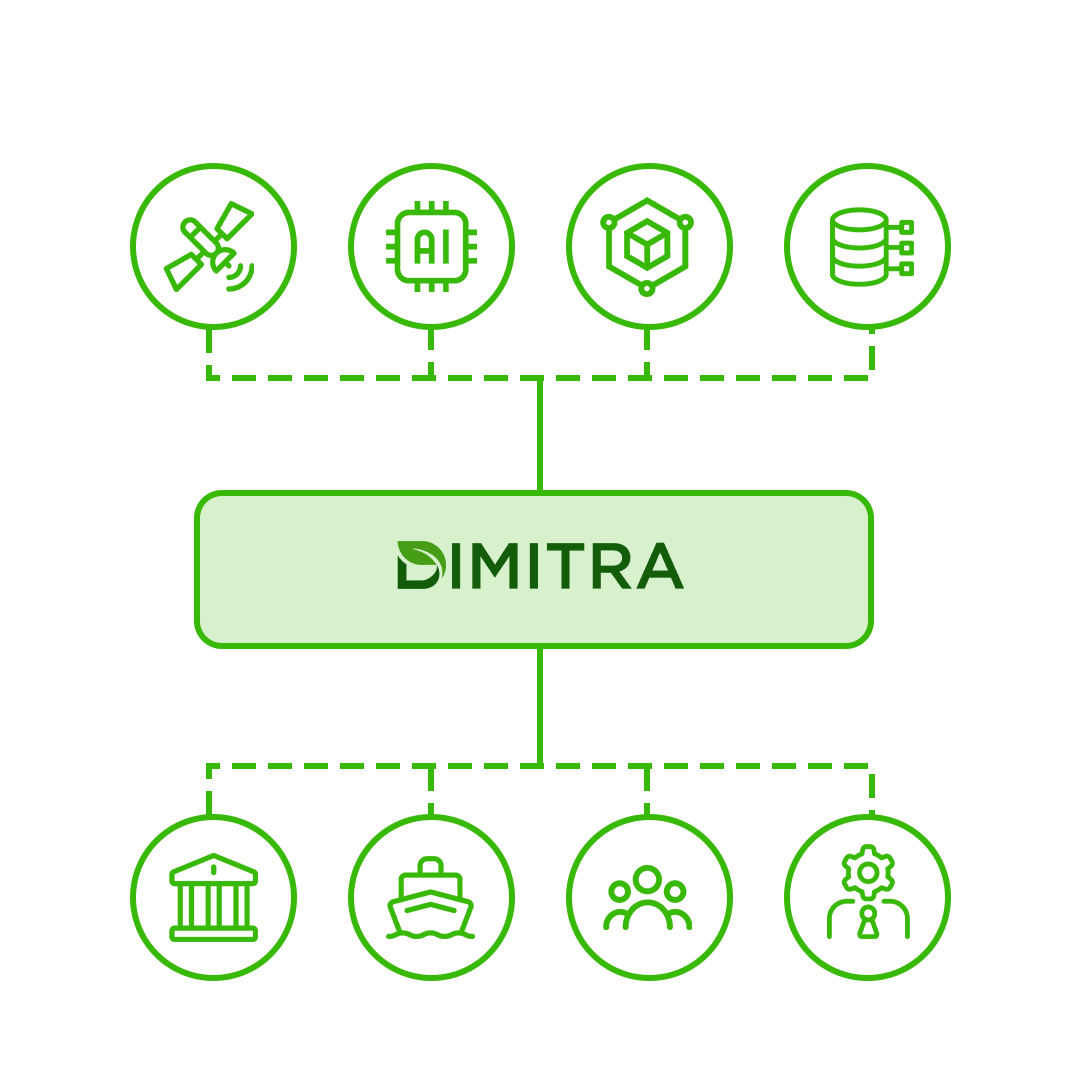
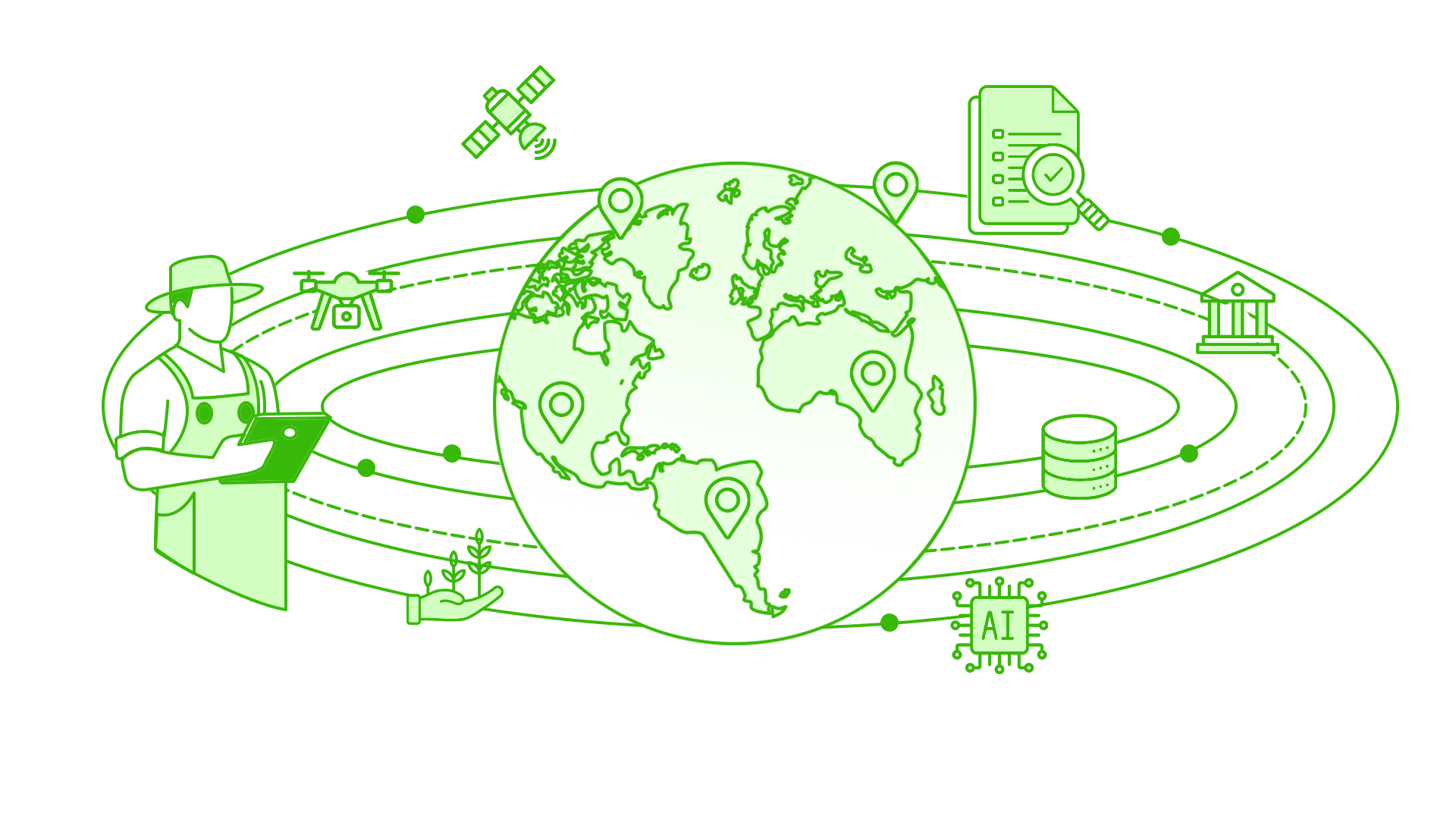
Dimitra connects AI, satellite analytics, blockchain, and data science to day-to-day agricultural operations.

The Dimitra Protocol provides the shared infrastructure that helps standardize service delivery, support auditability, and connect field activity to verifiable outputs. On top of that foundation, Dimitra’s applications make these capabilities practical for governments, cooperatives, exporters, institutions, and program teams operating in real-world conditions.

The Dimitra Protocol powers everything we deliver

$DMTR is the native utility token of the Dimitra Protocol. It is used to support access to protocol-based services and account for activity across modules, including workflows such as compliance reporting, satellite analysis, yield insights, and MRV-related computations, according to the rules of each service. Our communication around $DMTR is centered on utility, access, and ecosystem function, not speculation.

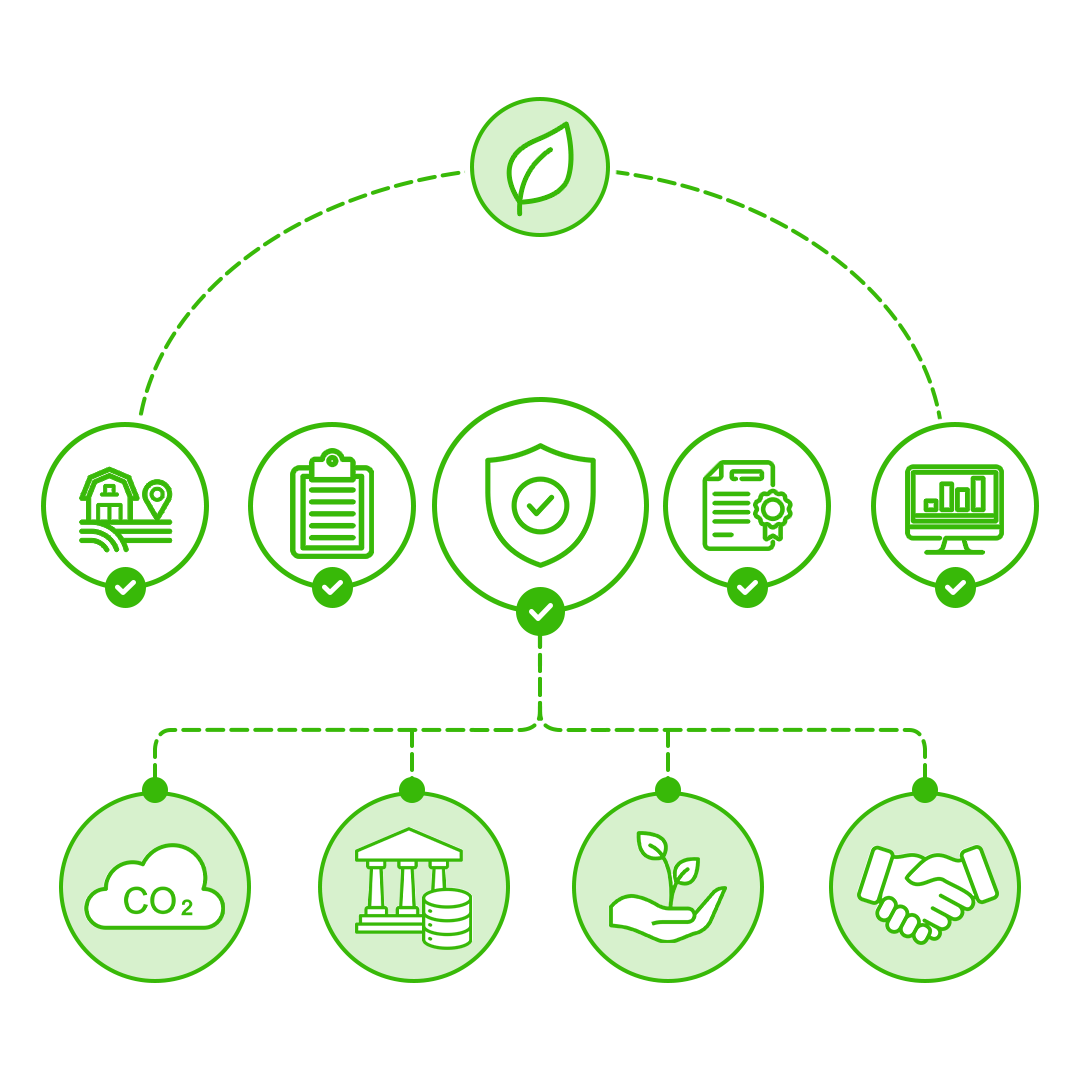
Regulation

Environmental Compliance Protocol for traceability, deforestation risk screening, and regulatory checks that produce shareable outputs for buyers, regulators, and financiers.

Sovereign deployments

National-scale implementations that standardize validation, reporting, and data governance across regions and programs.

Capital Markets

Carbon, RWA, and trade finance workflows built on verified data. Where project fundamentals, disclosures, and program rules support it, Dimitra’s infrastructure can help enable MRV processes and participation in structured finance models.

Real Deployments. Real Use Cases.

One protocol foundation, applied across governments, cooperatives, supply chains, and environmental programs

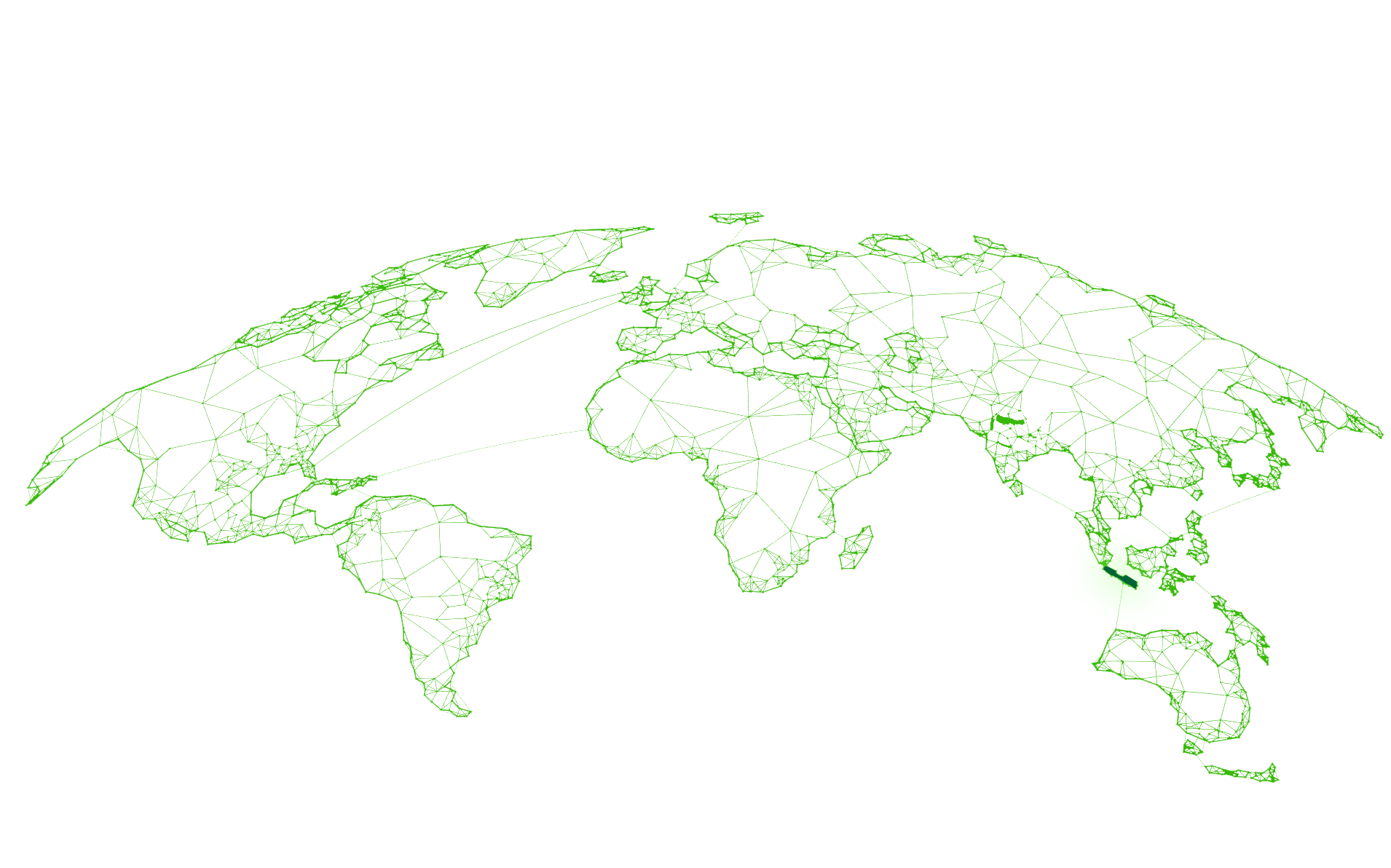
Dimitra’s infrastructure is already being deployed across sovereign and institutional programs, cooperative networks, export-oriented supply chains, and environmental initiatives. These real-world implementations demonstrate how one protocol foundation can support validation, traceability, compliance, MRV, and reporting workflows across very different operating environments.

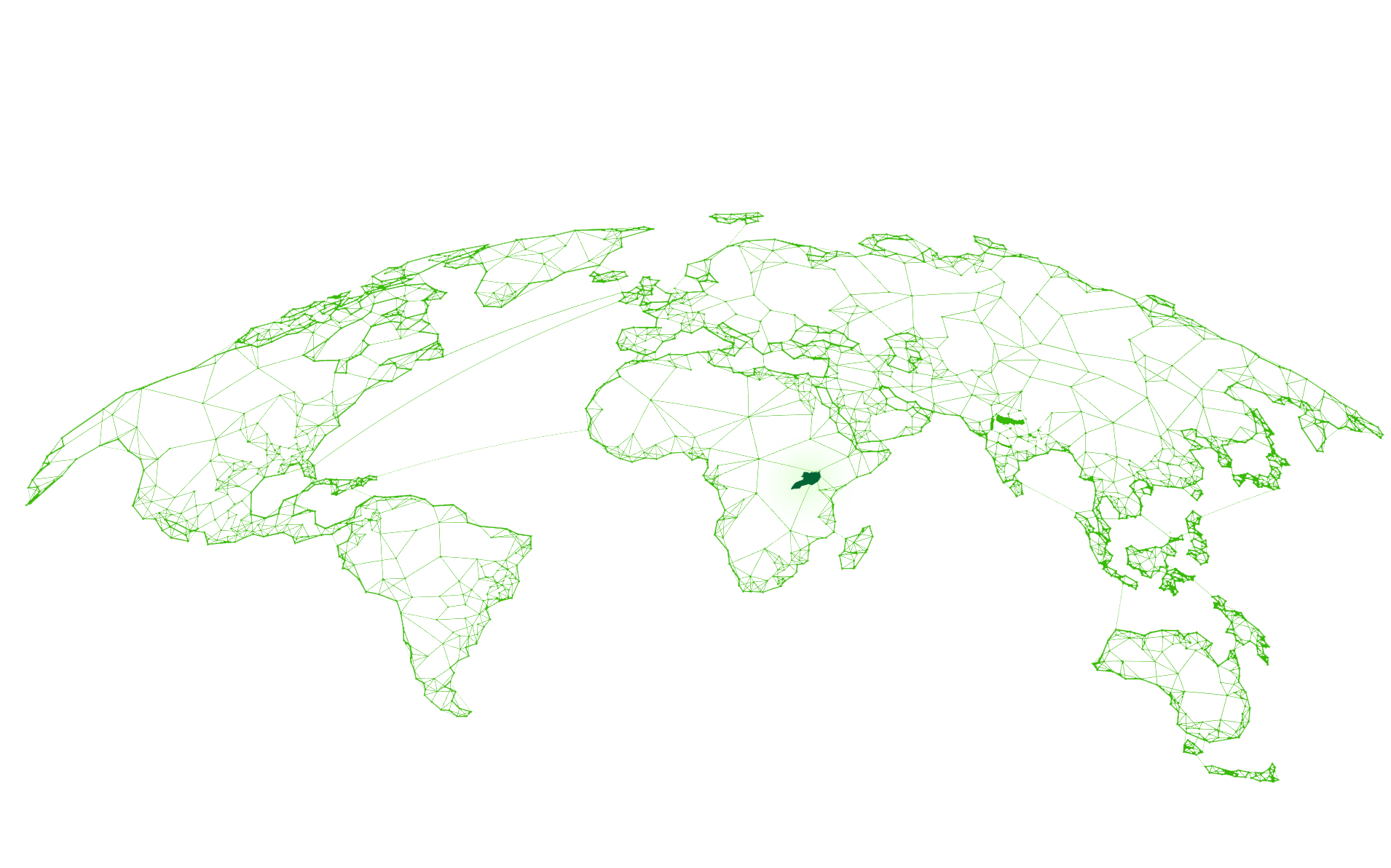
In Uganda, where coffee is the largest agricultural export sector, Dimitra was approved by the government as one of five authorized solutions for traceability and environmental compliance. This deployment is supported by Dimitra’s traceability and deforestation compliance workflows and shows the platform’s ability to operate within regulated national frameworks tied to real agricultural trade.
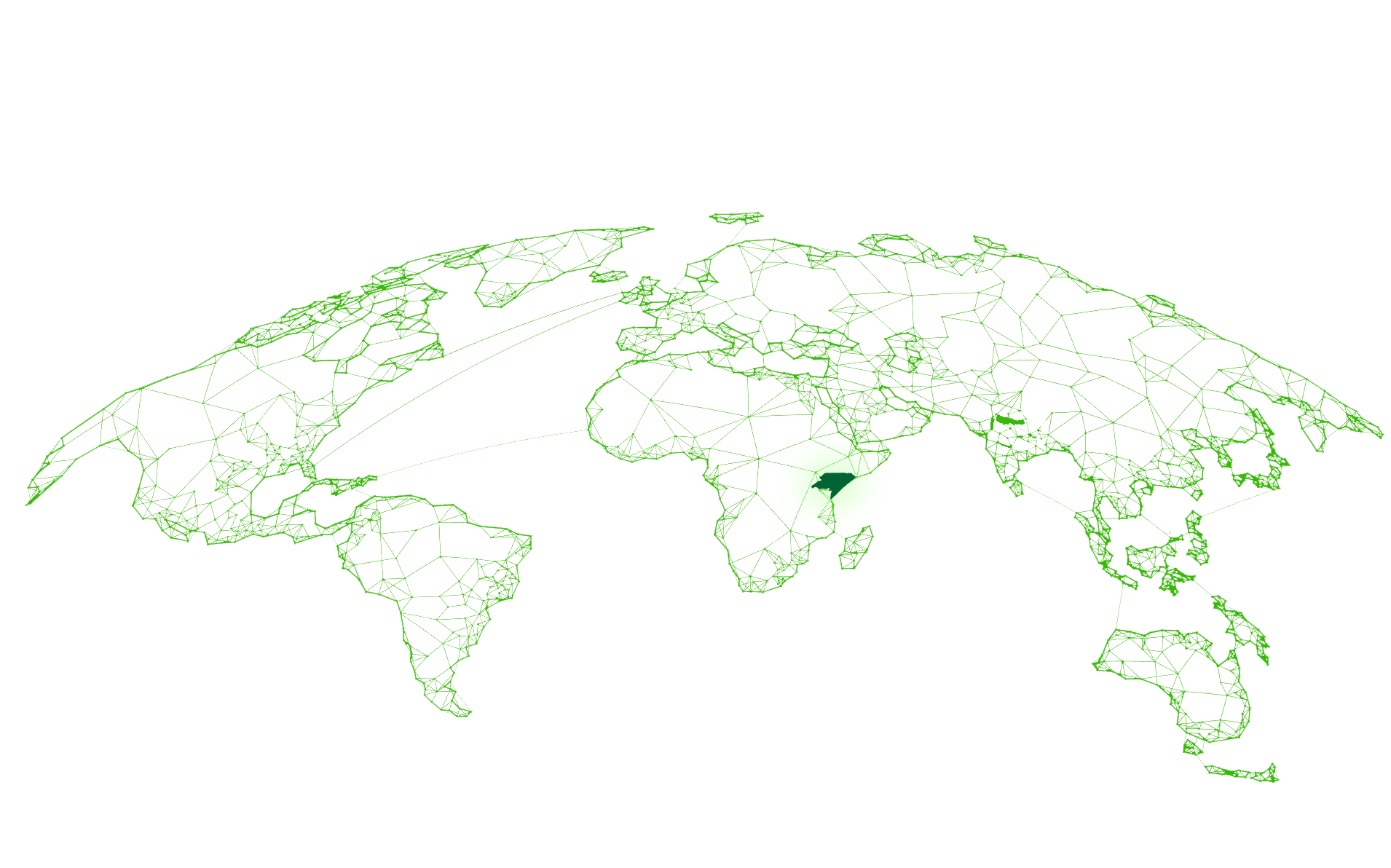
Through its work with NACCU, the National Coffee Cooperative Union of Kenya, Dimitra supports coffee traceability, farmer-level data collection, environmental compliance checks and cooperative-aligned workflows. In a country where coffee remains the third largest export sector, this deployment is supported by Connected Coffee and Connected Farmer, demonstrating the platform’s ability to function in real smallholder systems while producing structured outputs relevant to buyers and institutions.
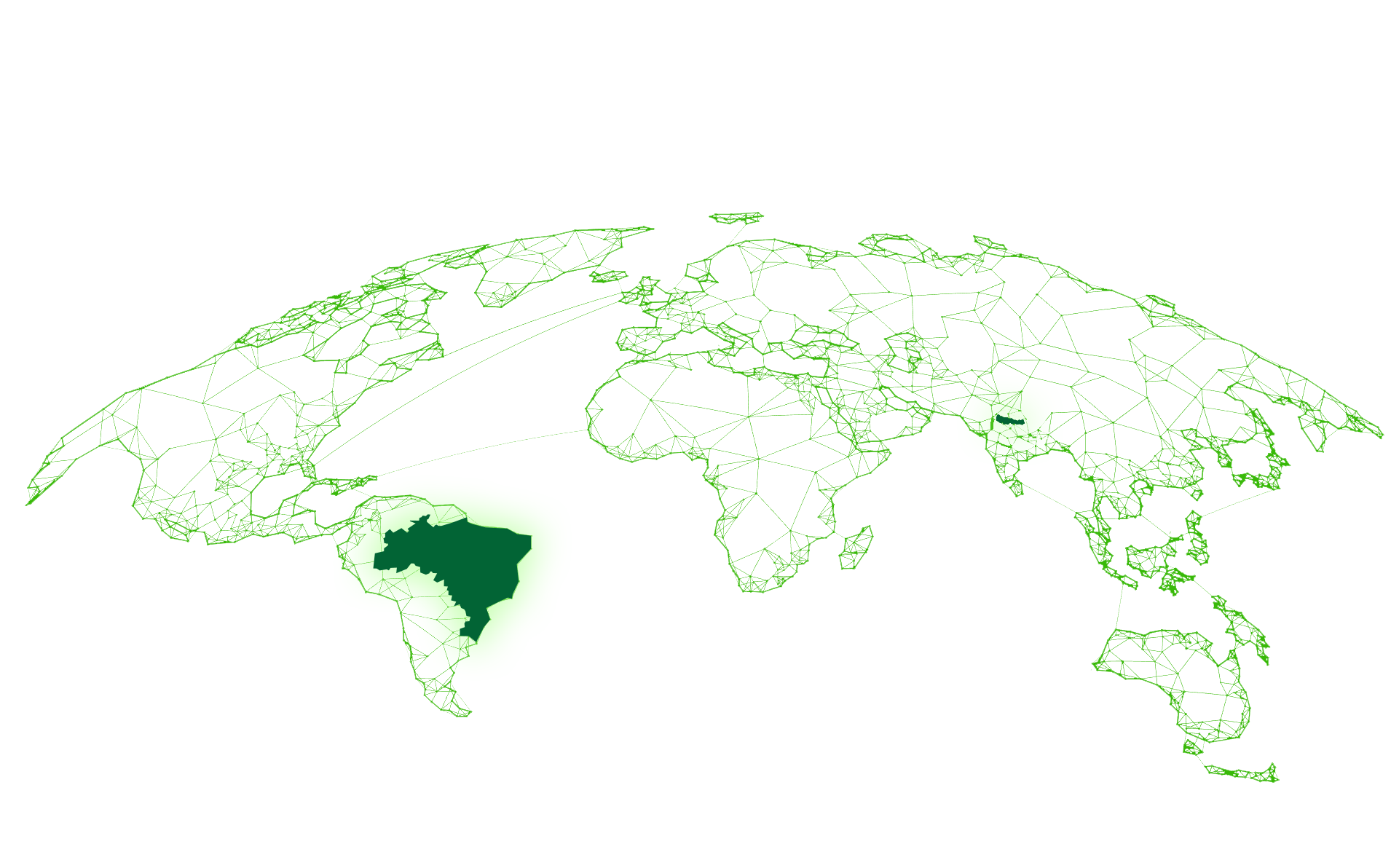
Dimitra’s collaboration with ABRAFRUTAS highlights the platform’s role in ESG, traceability, and export-readiness workflows at sector level. ABRAFRUTAS represents approximately 85% of the total volume of fresh fruit exported by Brazil, which makes this a strong example of Dimitra’s ability to support market-facing execution at a meaningful scale. This work is supported by ESG Compass and Dimitra’s compliance and reporting infrastructure, showing how the platform can help strengthen coordination and readiness across a major export sector.
In partnership with Alica Foundation, Dimitra is supporting carbon and environmental workflows across approximately 23 thousand hectares today, with potential to expand to over 300 thousand hectares. Through these carbon initiatives, Dimitra supports MRV-related processes, reporting, and structured evidence generation using Dimitra Carbon and monitoring workflows built on the Dimitra Protocol. This infrastructure helps improve the traceability, transparency, and security of carbon credits, while also creating potential new revenue opportunities for producers through high-integrity environmental assets.

These are selected examples, not a complete list. Users experience these deployments through applications such as Connected Farmer, Connected Coffee, Connected Cacao, ESG Compass, and Dimitra Carbon.

No Farmer Left Behind

Better decisions. Stronger evidence. Wider market access.

Dimitra combines AI, satellite analytics, blockchain, and data science to help cooperatives, agribusinesses, institutions, and governments operate with greater confidence. Through the Dimitra Protocol, these capabilities can scale across compliance, reporting, and climate-related workflows, helping farmers and origin partners compete more effectively in global markets.